
Our research
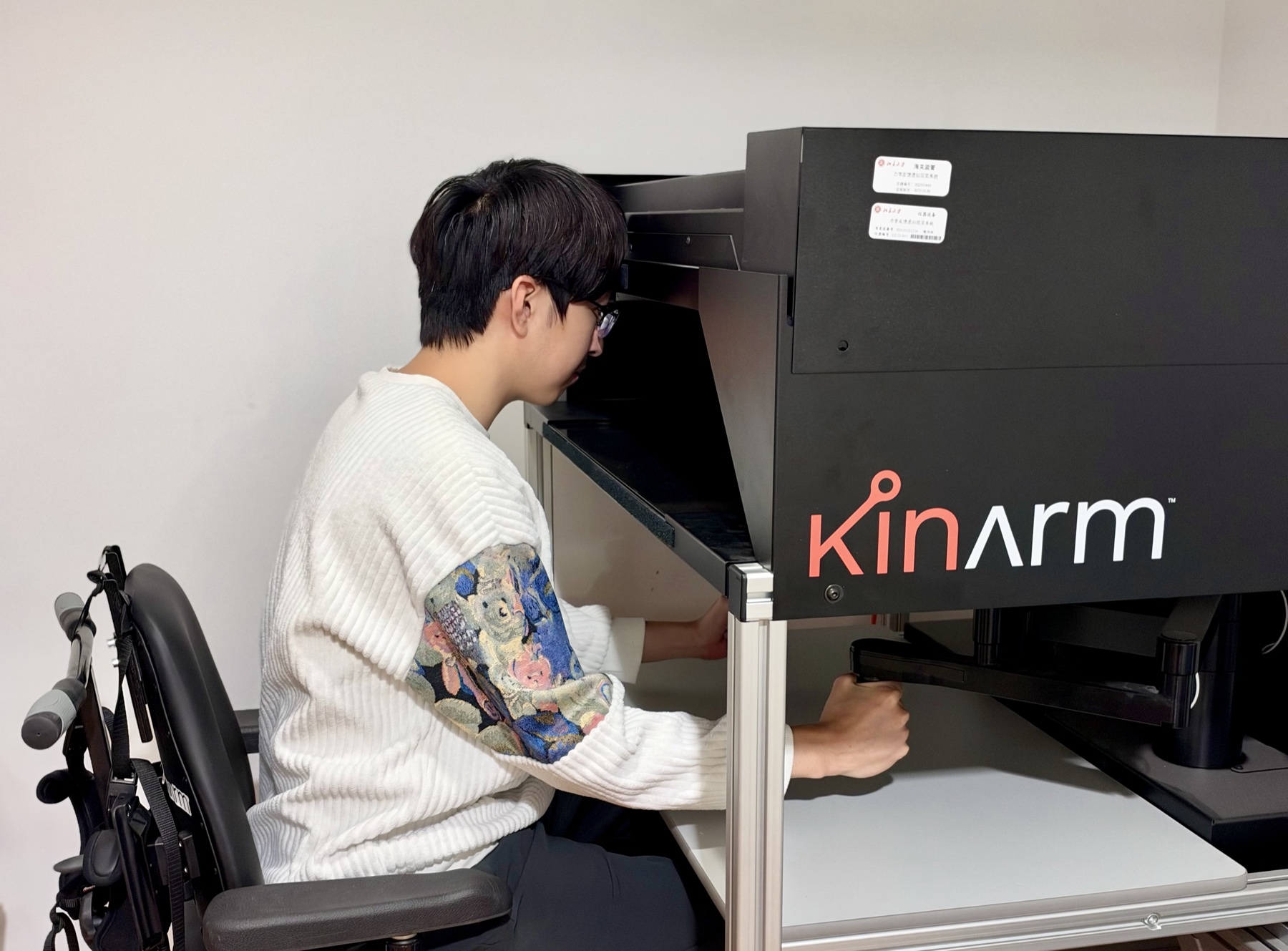
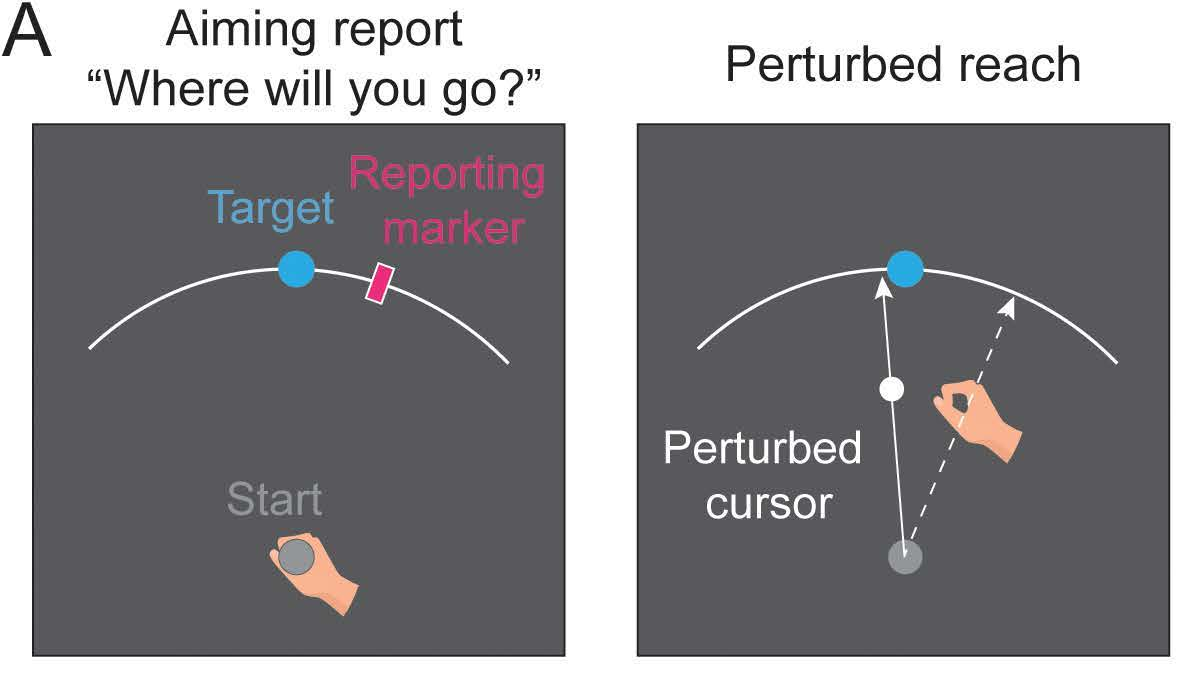
Visuomotor learning with KINARM
Participants reached with rotated cursor feedback and reported their aiming direction and perceived hand direction.
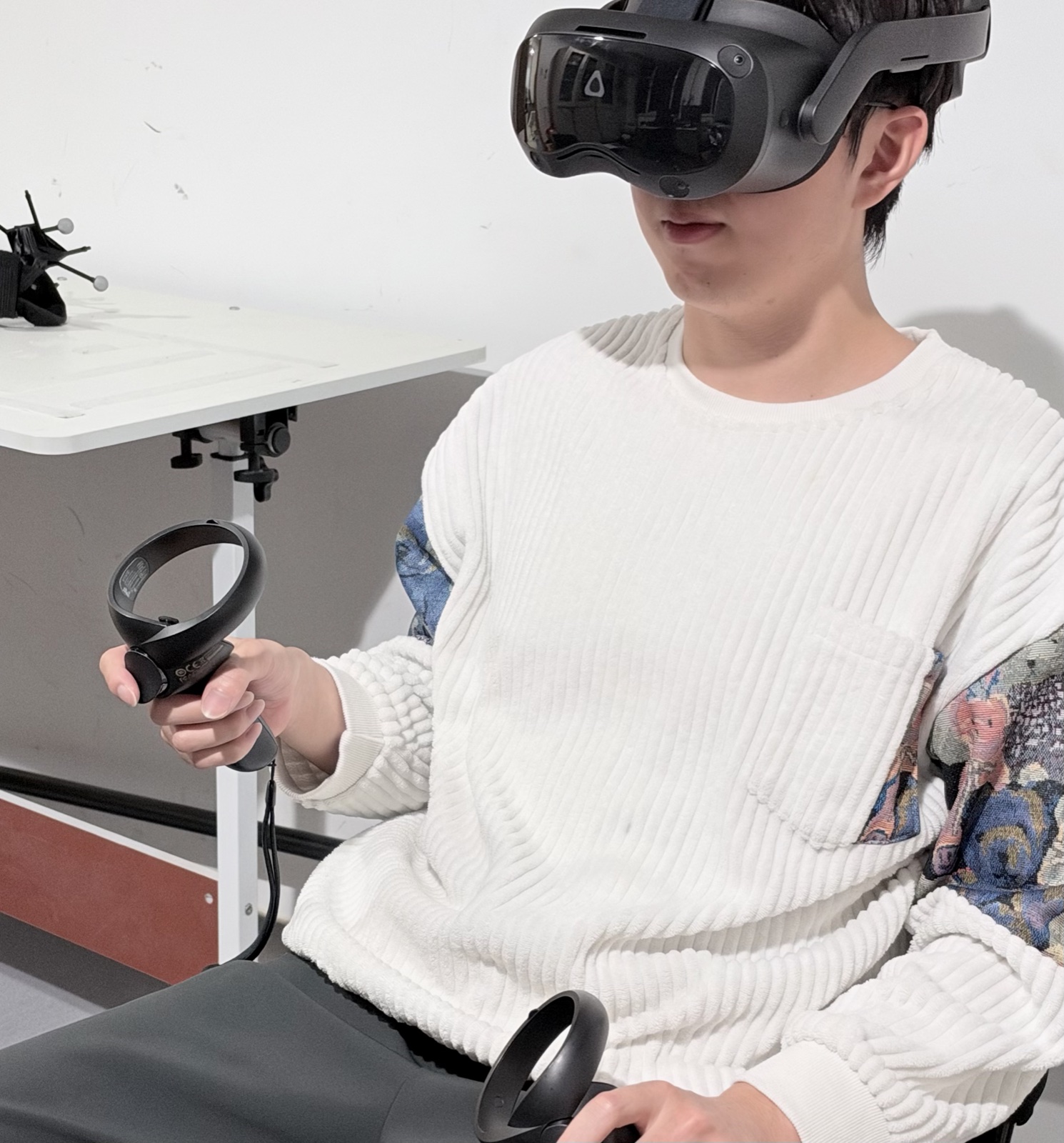
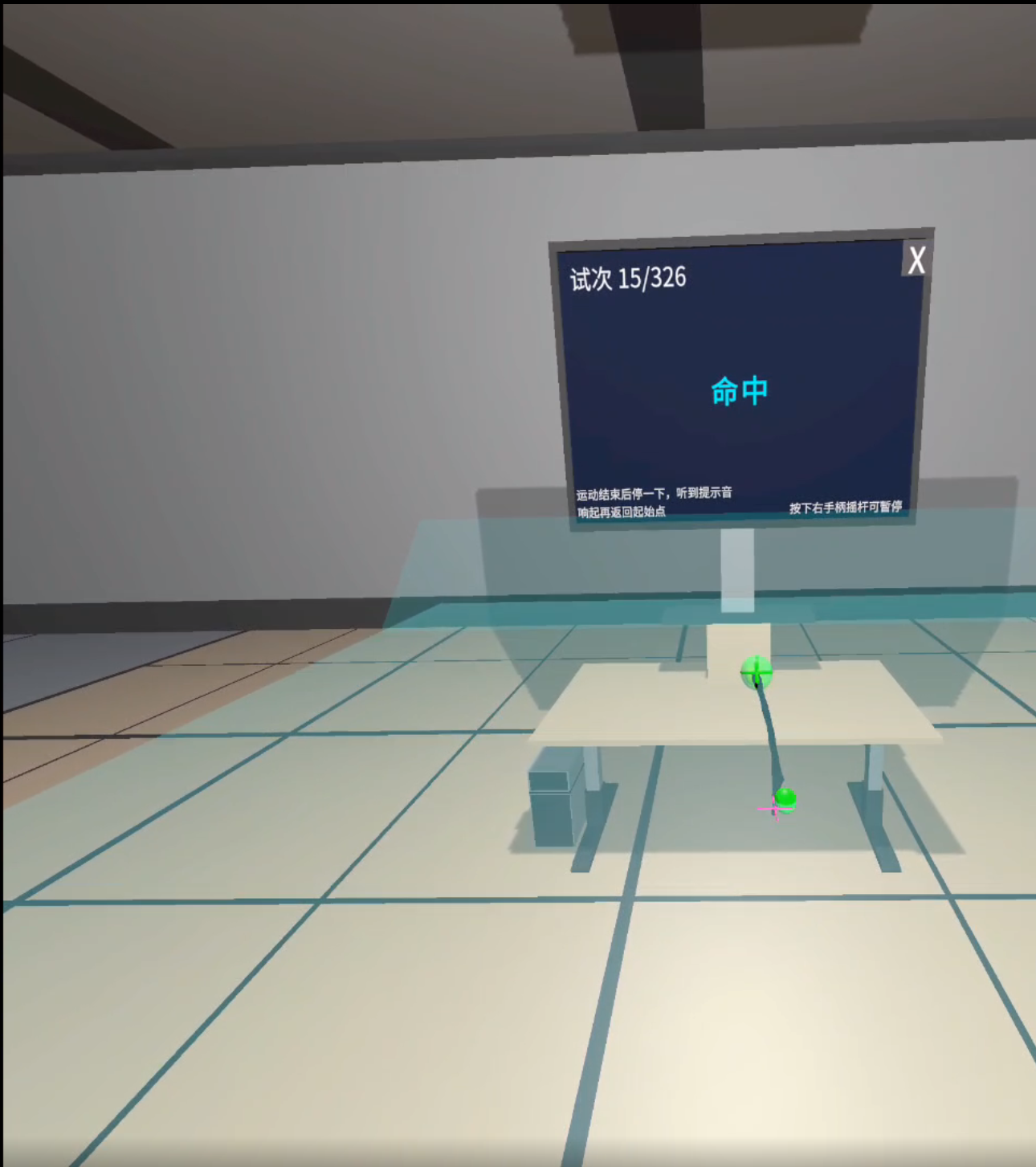
Virtual reality research
Ongoing research.
01
Motor learning and adaptation
Motor learning concerns how we acquire new skills and how we recalibrate existing ones when the body or the environment changes—the former is usually called skill acquisition, the latter motor adaptation. We study both. A central question for us is how the brain decides which errors to learn from: we examine how sensory feedback (vision and proprioception) and perceptual estimates affect learning, how causal inference and credit assignment determine what gets updated, and how explicit strategies and implicit recalibration combine—and can be dissociated—during adaptation. We also study how learning generalizes beyond the trained movement and how working memory supports motor memory.
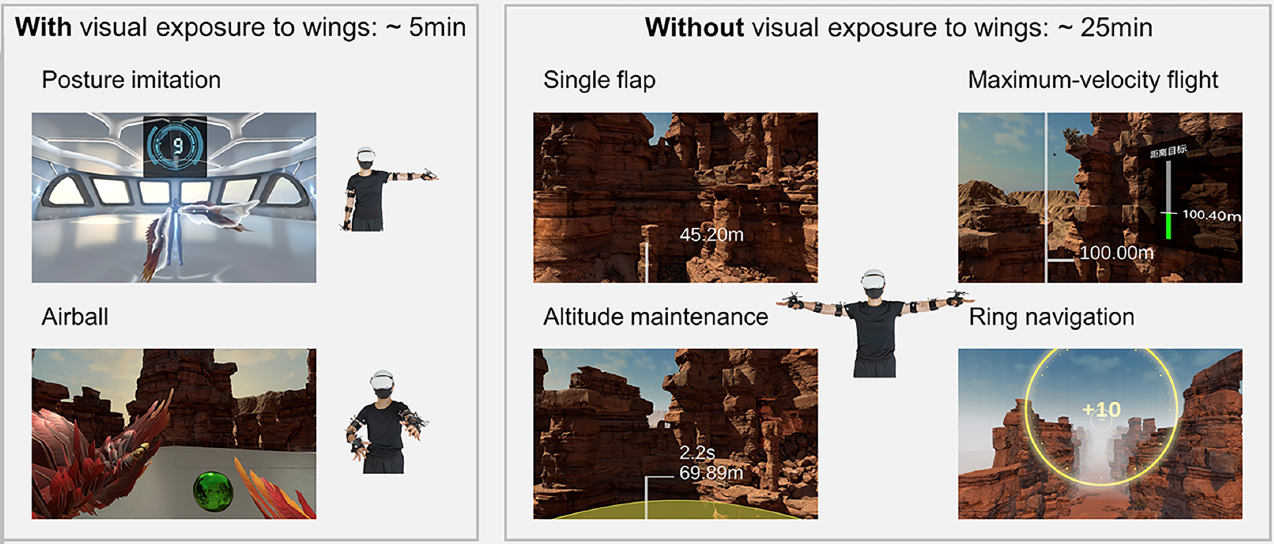
Learning to fly in virtual reality
Upper-limb movements controlled flight in a virtual environment. Training combined brief visible-wing practice with flight tasks in which the virtual wings were not visible.
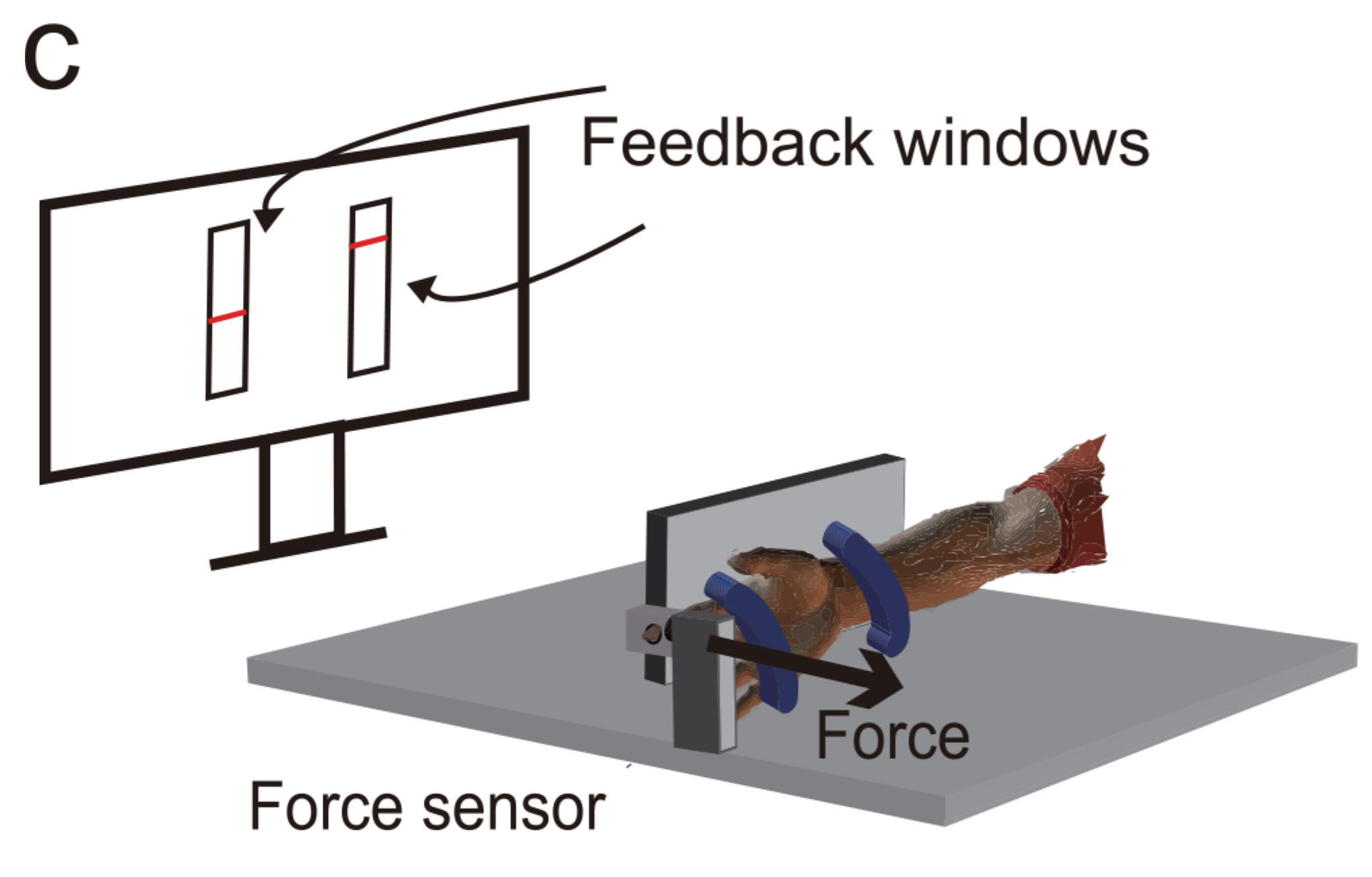
Force production and visual feedback
Participants pressed a force sensor with their right index finger to match a target force shown on a monitor. Brief visual feedback of peak force was occasionally shifted to test how visual errors guide subsequent force production.
02
Action and perception
Perception and action are tightly intertwined. We study how actions change perception, how perception constrains action, and how sensorimotor experience shapes motor cognition more broadly. A particular focus is on perceptions that arise from action itself: the sense of where our limbs are (proprioception), the sense of force and effort, and the sense of agency—the feeling that we, and not something else, caused a motor outcome.
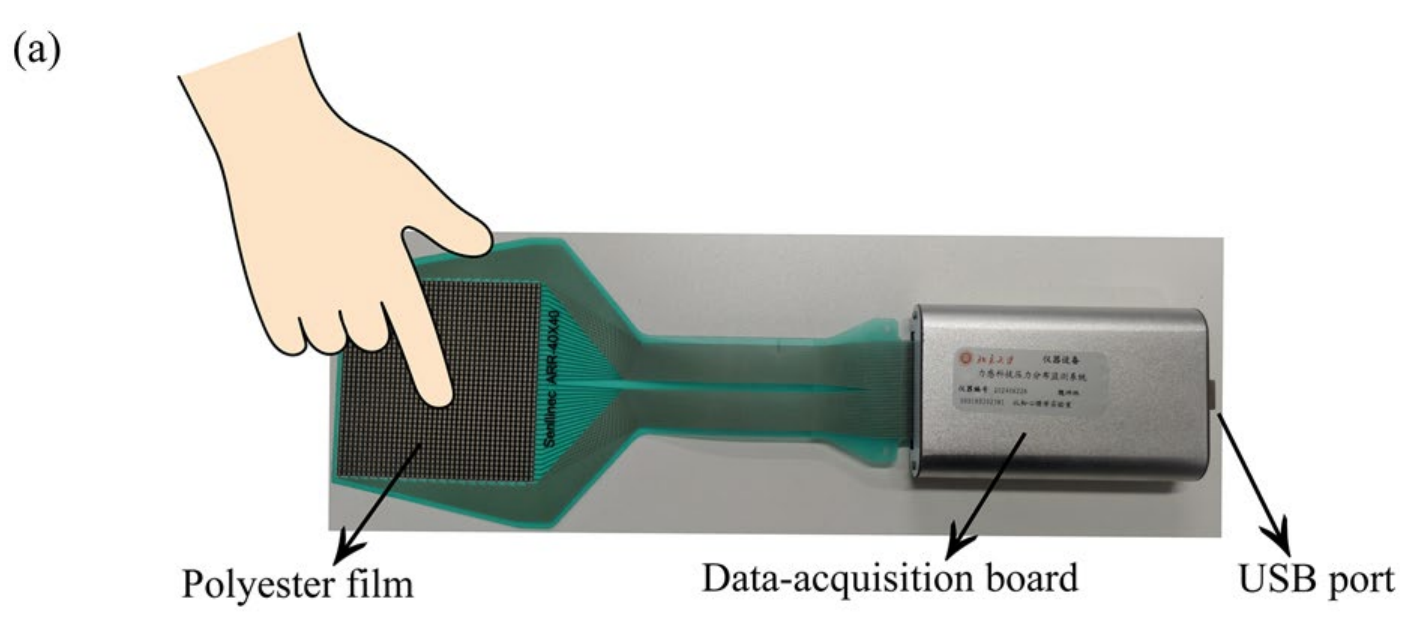
Cursor control from fingertip pressure
A flexible sensor recorded fingertip pressure distributions. Centre-of-pressure displacement and peak force were mapped to cursor movement and compared in a multidirectional pointing task.
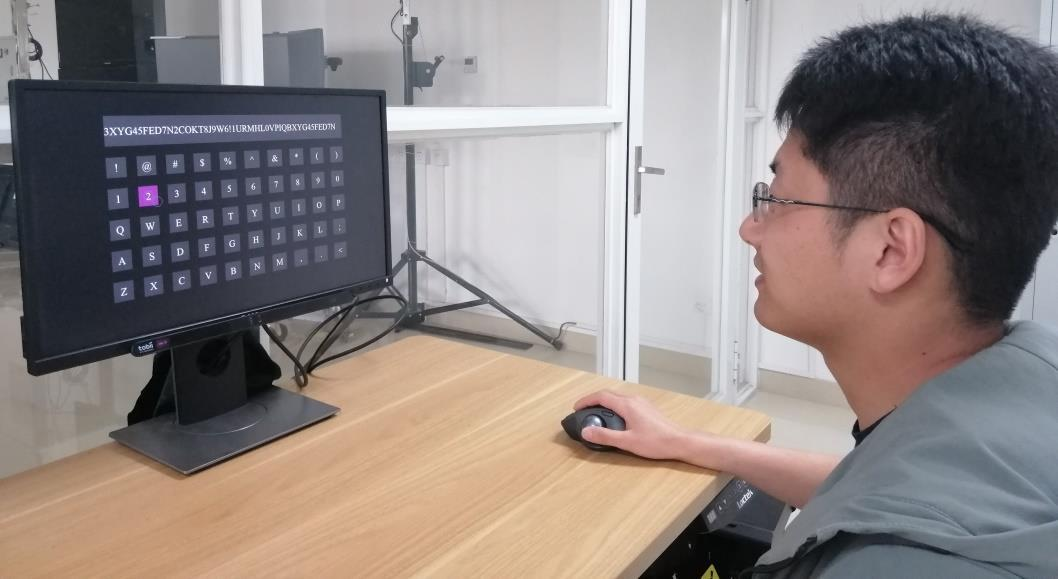
Gaze pointing with manual confirmation
Participants selected on-screen keyboard targets by gaze and confirmed selections with a trackball click. An eye tracker below the monitor recorded gaze while conventional and gaze-lock cursor modes were compared.
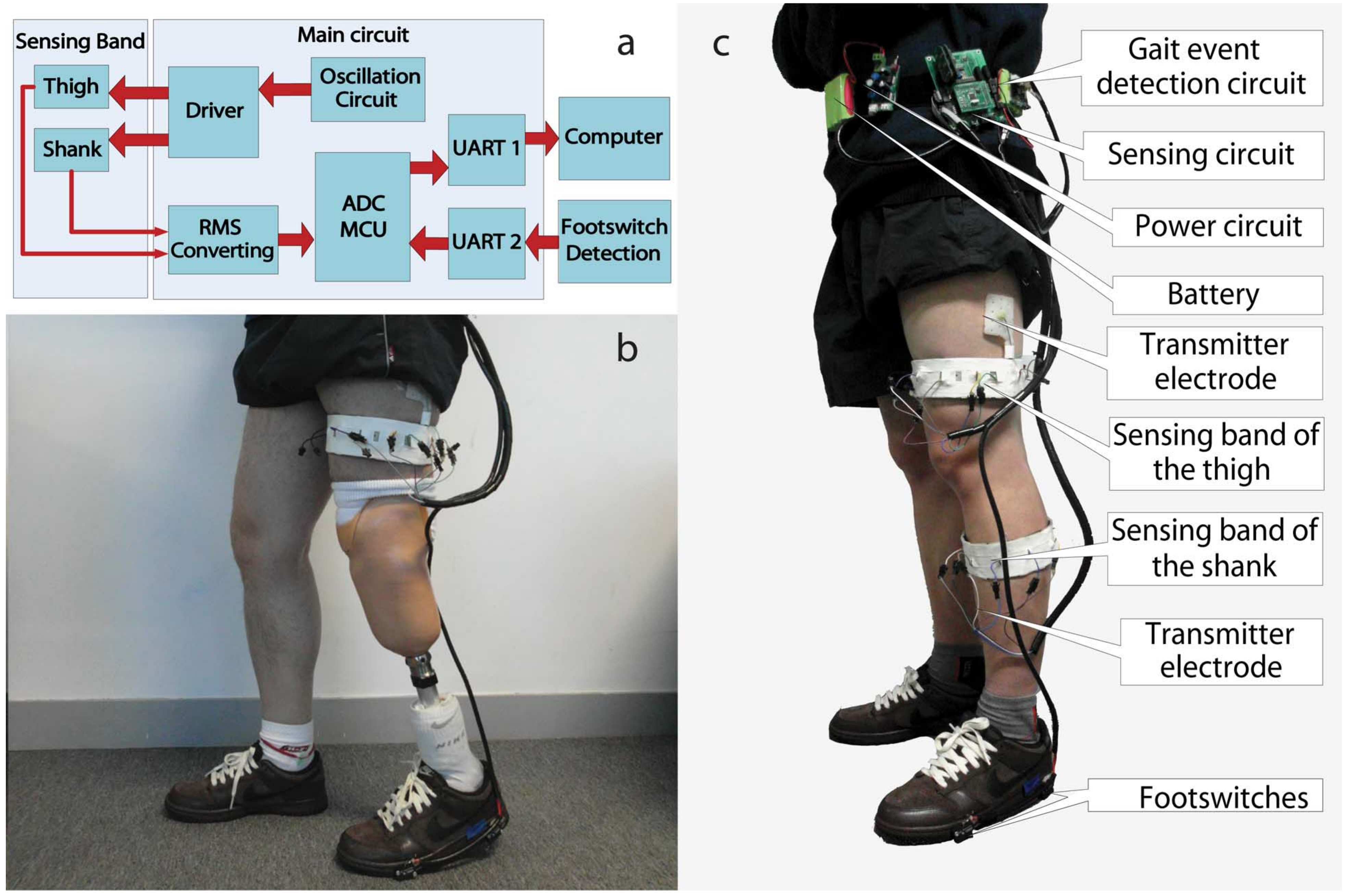
Wearable sensing for locomotion
Wearable capacitive bands recorded movement-related changes in leg shape, while shoe-mounted footswitches detected gait events. The system was tested during six locomotion modes in able-bodied participants and people with transtibial amputation.
03
Human–machine interaction and rehabilitation
Acting on the world increasingly means acting through machines. Drawing on ergonomics, human factors, and engineering psychology, we develop and test tools that read human movement and respond to it. Past and ongoing projects include wearable sensing systems that recognize locomotion modes and measure plantar pressure in amputees and patients, pressure- and gaze-controlled computer interfaces, and studies of how everyday technology use—from computer mice to texting while walking—reshapes the way we move.
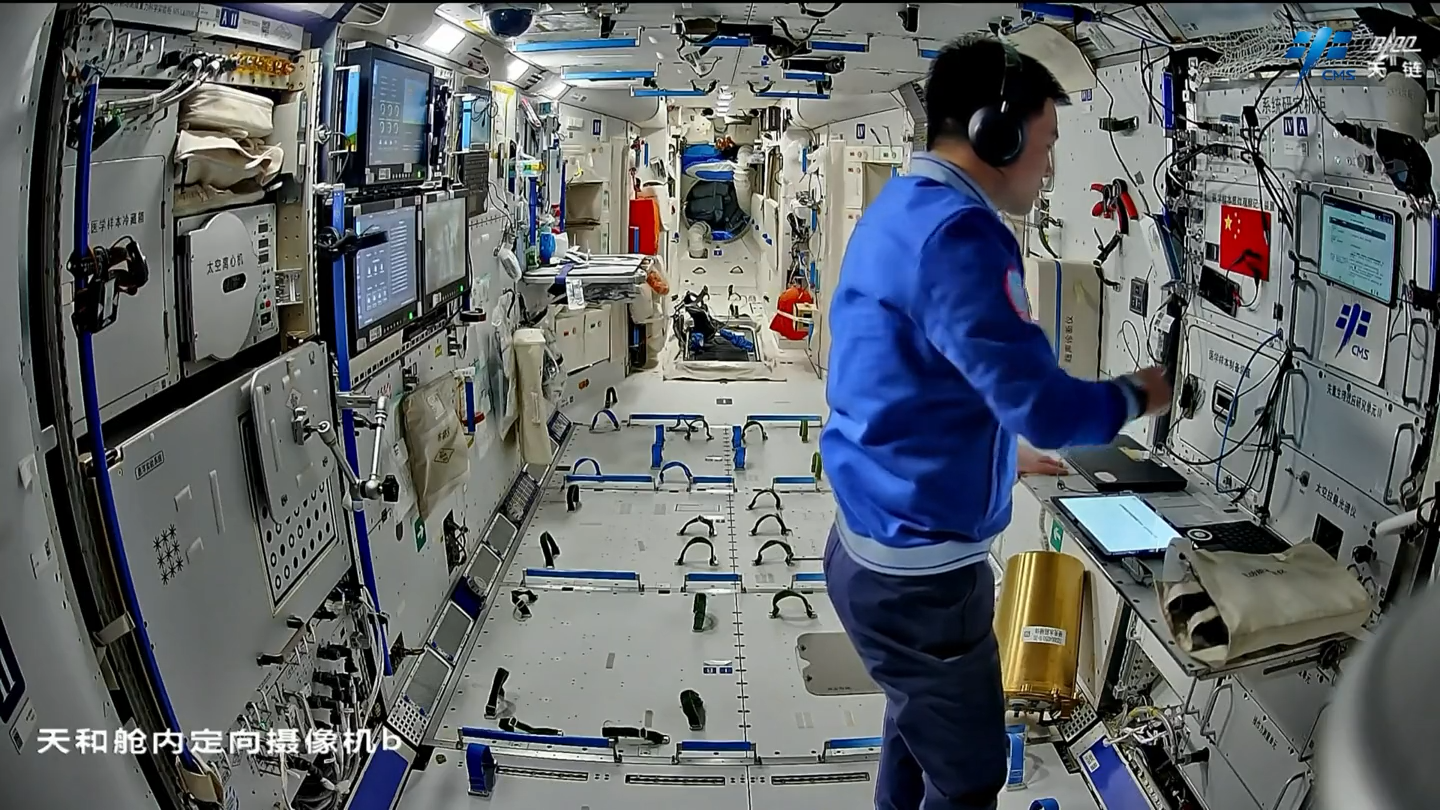
Motor control task in orbit
This image shows an experiment conducted as part of our laboratory’s research on motor control in microgravity.
If you are the rights holder and have any concerns about this use, please contact us. We will promptly remove the image upon request.
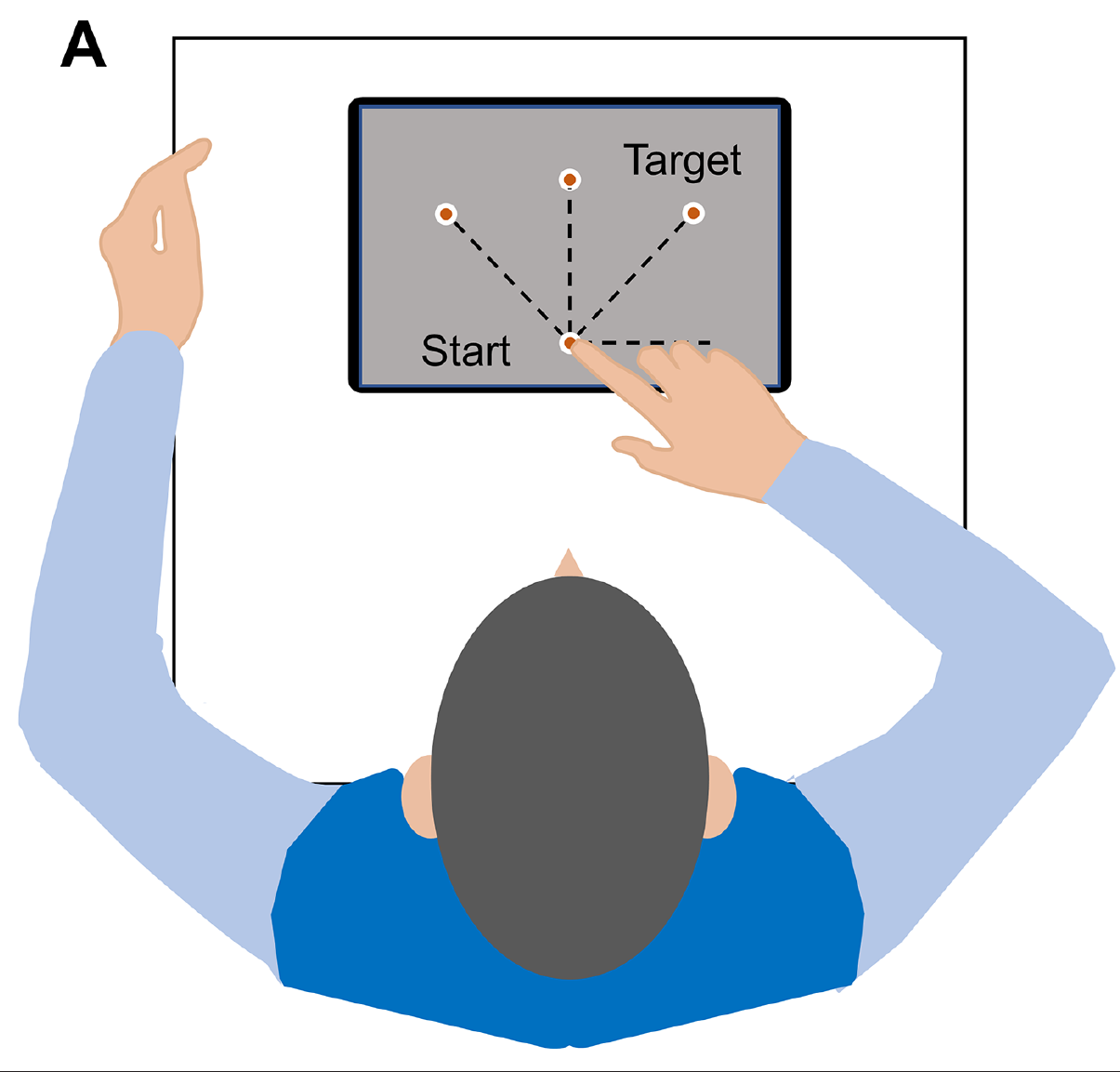
Reaching in microgravity
Participants reached toward one of three targets on a tablet with their right index finger. Foot straps and a left-hand grip stabilized their body in orbit.
A Chinese astronaut performs an eye–hand coordination task as part of our laboratory’s motor-control research aboard the China Space Station.
04
Motor control in microgravity
As humans extend their footprint into space, a key question is whether our motor control and perception remain intact during long-duration microgravity. Working with China's space program, we conduct motor control and learning experiments on the ground and aboard the China Space Station. Our findings show, for example, that astronauts underestimate their own body mass when reaching in orbit and that spaceflight stressors alter motor timing. Our goals are twofold: to understand how microgravity-related stressors challenge sensorimotor control, and to use microgravity as a unique testbed for uncovering how gravity is built into the brain's control of movement. We hope this work will also inform human-centered system design for the space missions to come.
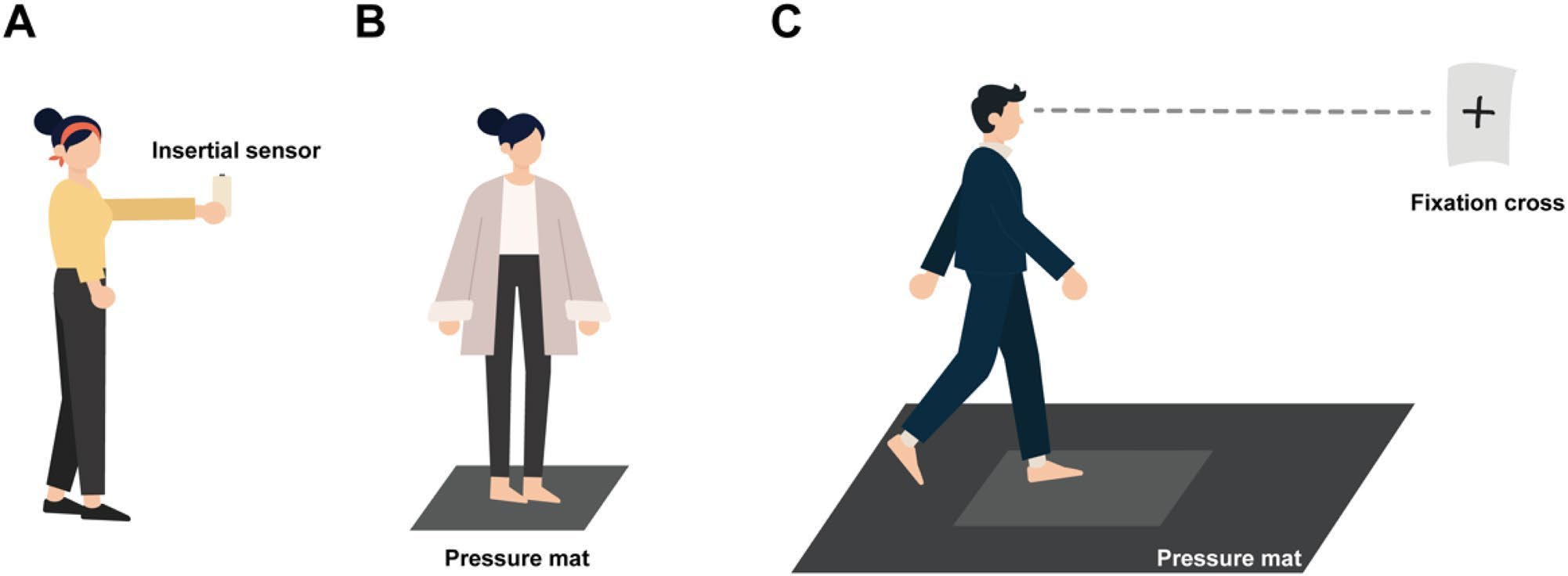
Instrumental motor assessment in adolescents
Adolescents with schizophrenia or depression and healthy controls performed weight holding, quiet standing, and straight walking. An inertial sensor and pressure mats recorded arm motion, postural sway, and foot pressure.
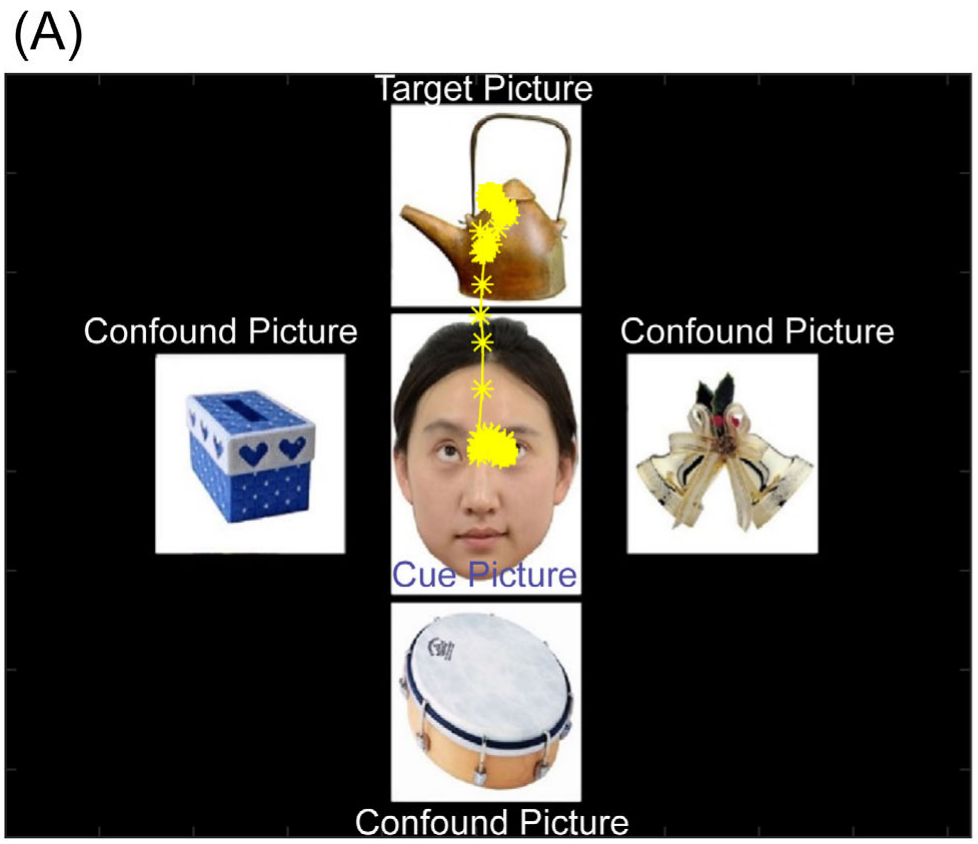
Visual orienting in children with autism
Children followed directional cues toward a target picture. An eye tracker recorded gaze shifts and fixations; holding gaze on the target for one second completed the trial.
05
Movement as a window into the mind
How we move reveals how we process information. We use precise, instrumented motor tasks to identify motor signatures of mental and developmental disorders—for example, atypical orienting in children with autism spectrum disorder, and abnormal motor performance in adolescents with first-episode schizophrenia or depression. Beyond revealing cognitive mechanisms, this work aims to provide objective, low-cost behavioral markers that can help clinicians and the people they serve.