
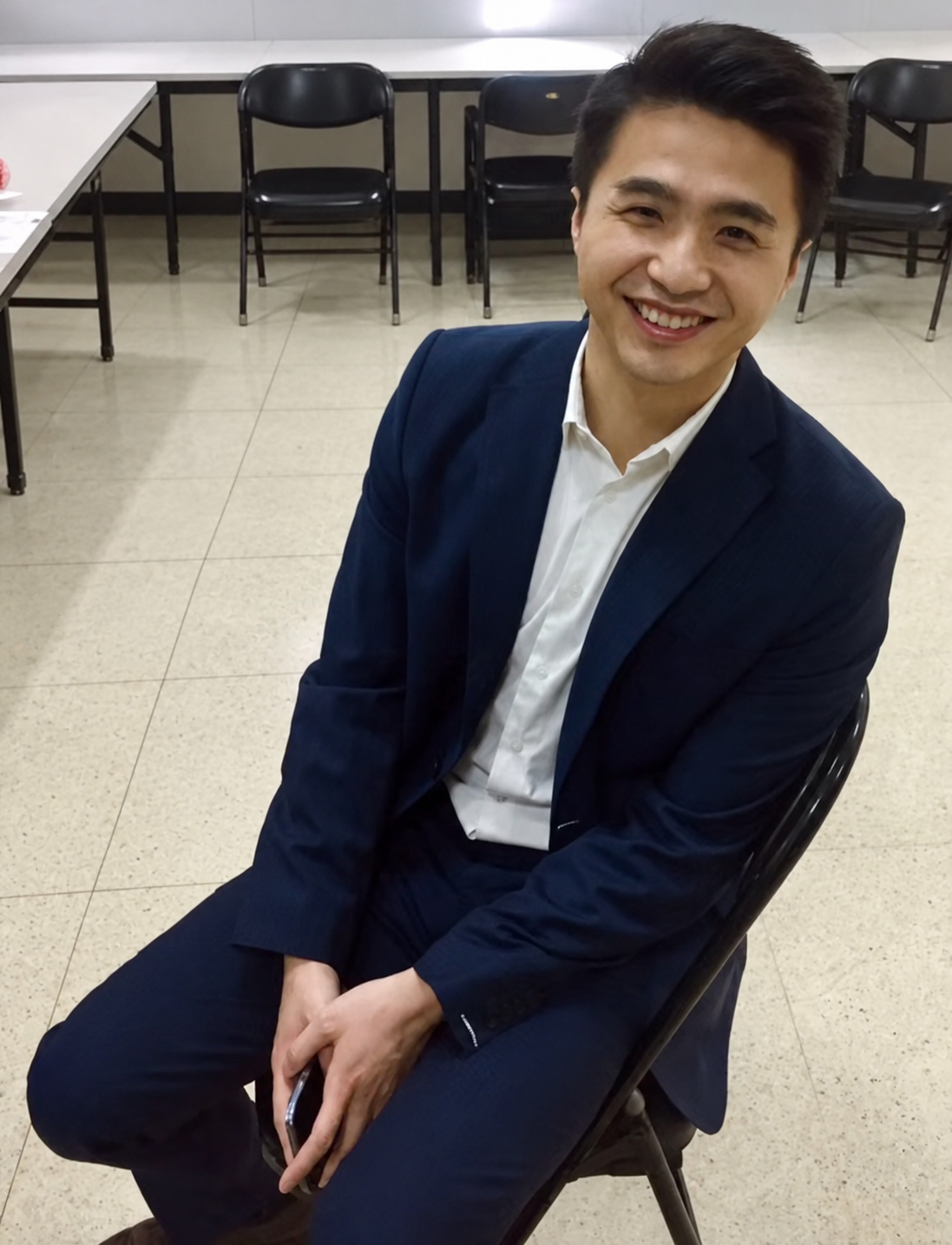
Principal Investigator
Kunlin Wei
Professor, Ph.D advisor, School of Psychological and Cognitive Sciences, Peking University, Beijing, China; Beijing Key Laboratory of Behavior and Mental Health.
wei.kunlin AT pku.edu.cn
Principal Investigator
Professor, Ph.D advisor, School of Psychological and Cognitive Sciences, Peking University, Beijing, China; Beijing Key Laboratory of Behavior and Mental Health.
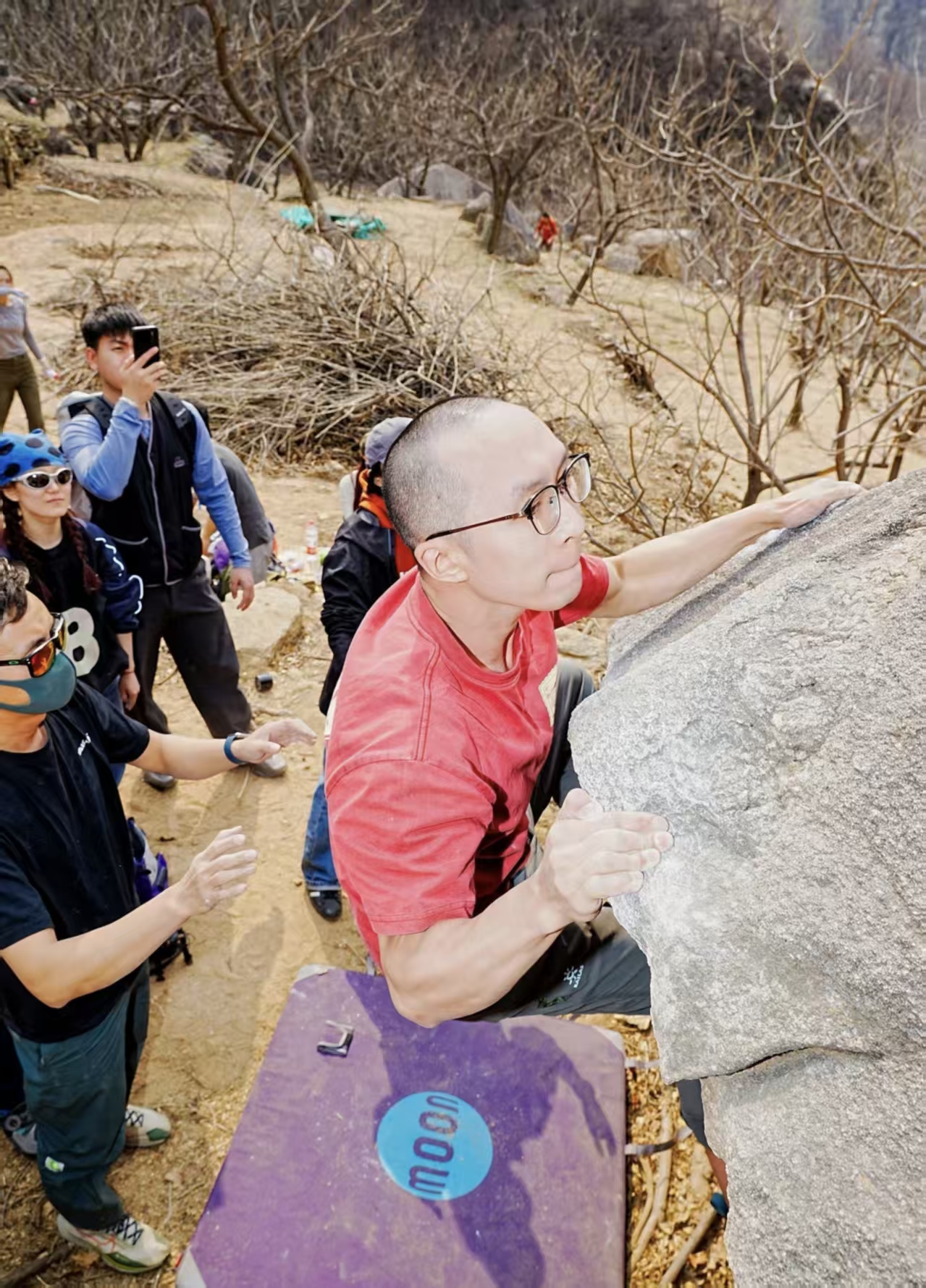
Postdoc Fellow
I received my Ph.D. in Psychology at UNSW, Sydney (supervisor: Prof. Thomas J. Whitford), where I investigated sensory attenuation. I then completed a postdoctoral fellowship at Zhejiang University (supervisor: Dr. Liyu Cao), where I continued my work in sensory attenuation but also delved into the relation between action and time perception. My current research in Prof. Wei's Motor Control lab focuses on sense of agency as well as time perception.
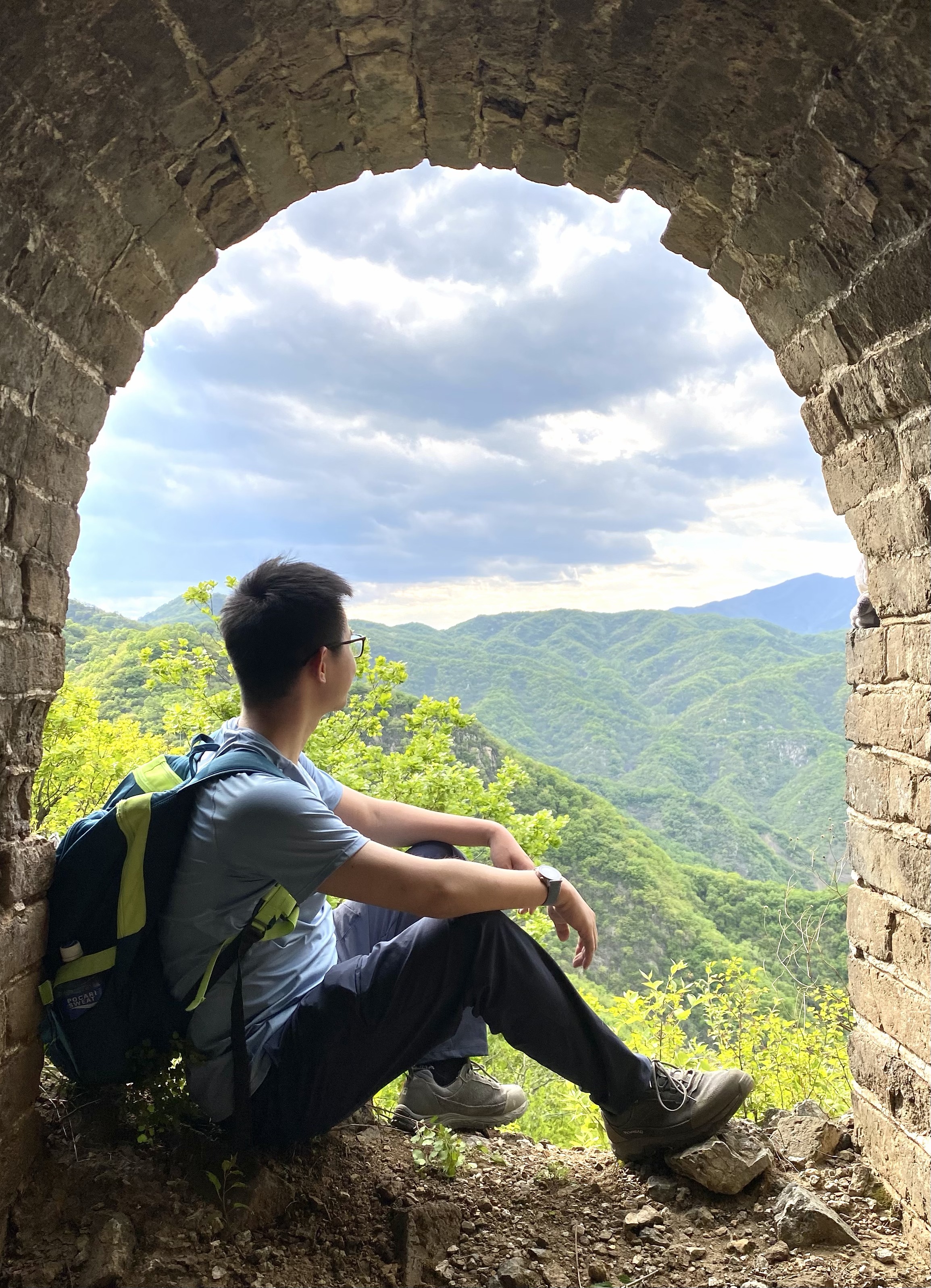
Lab Manager
Zeng Shaolin supports the lab’s day-to-day operations, including communication and administrative tasks. Zeng Shaolin also contributes to research on effort perception and force control, using effort-perception and sequential force-matching experiments to explore how subjective effort relates to actual force output and how people reproduce previously exerted forces. Please feel free to reach out with any questions or requests related to the lab.
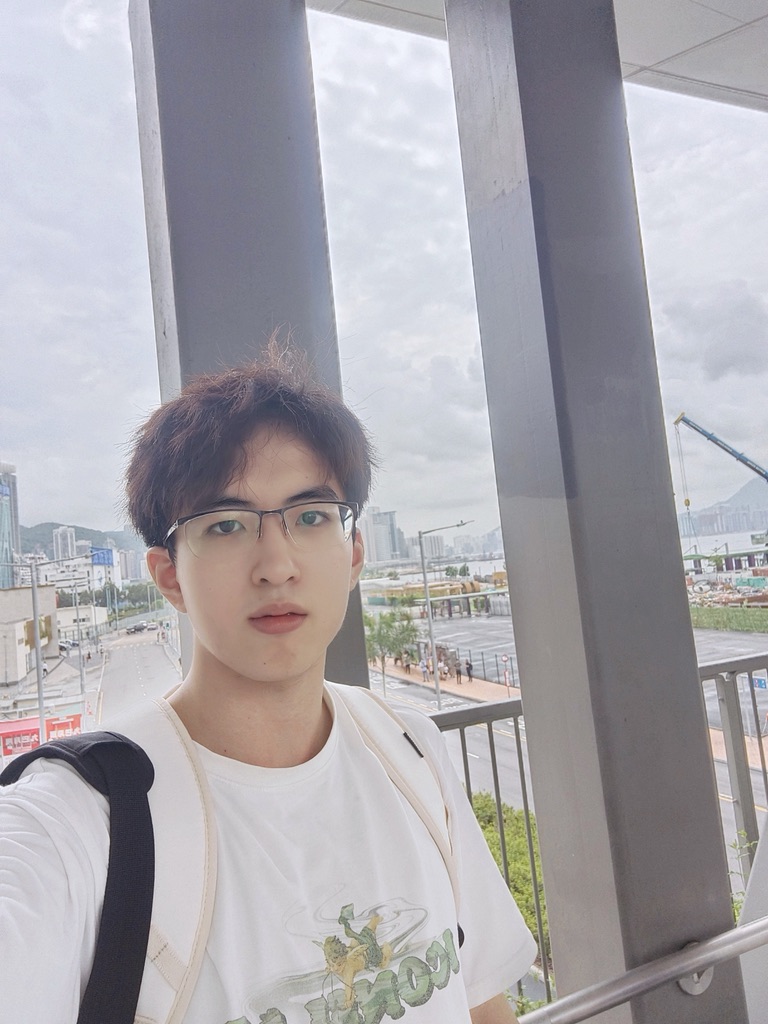
PhD Student
My research focuses on motor timing, particularly sensorimotor synchronization (SMS), a form of referential behavior in which an action is temporally coordinated with a predictable external event, the referent. My current work aims to develop models that explain negative mean asynchrony (NMA) in SMS. I received my bachelor’s degree from Yuanpei College, Peking University.
PhD Student
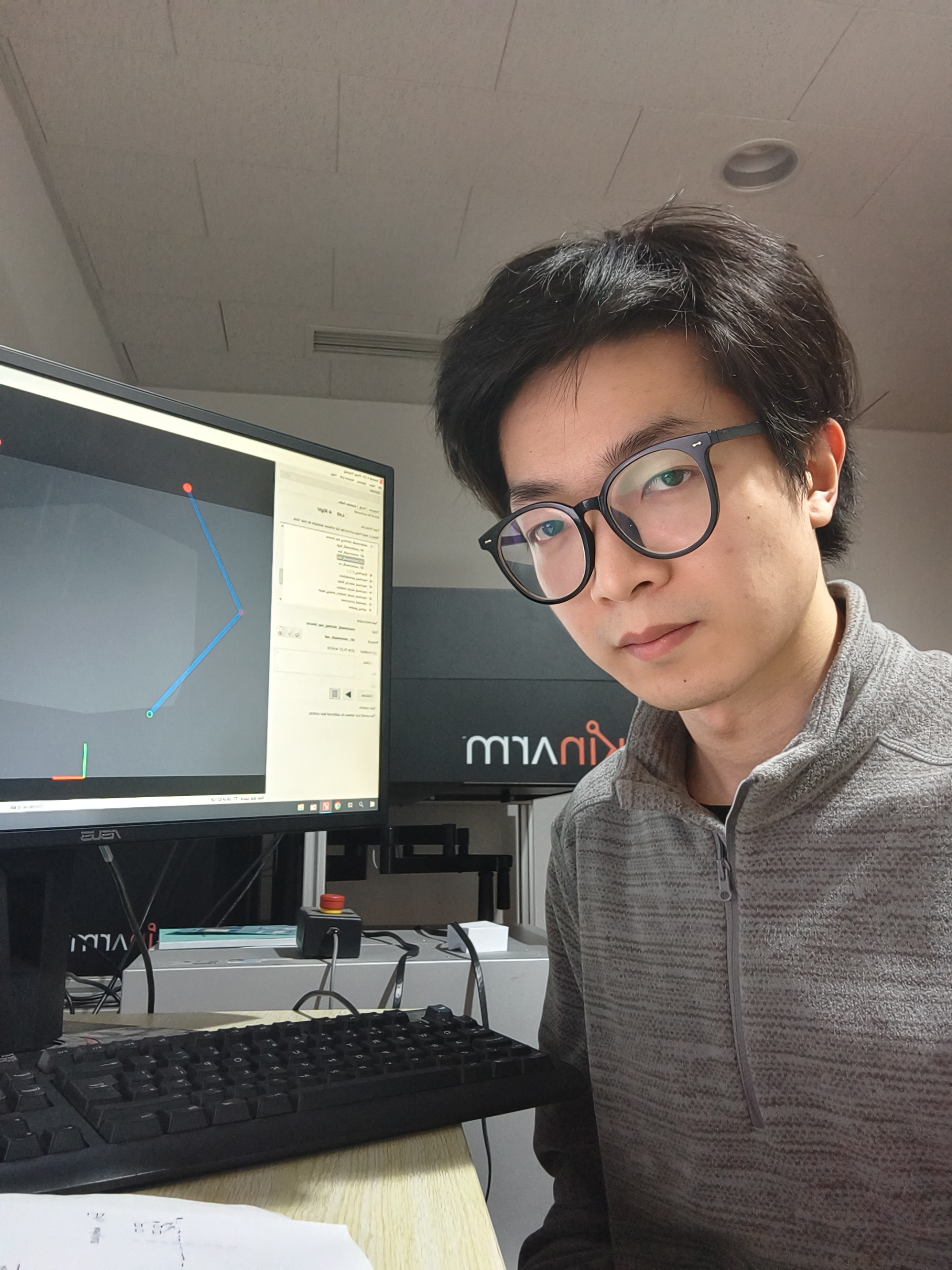
My research focuses on proprioception and sensorimotor integration, particularly how people estimate the position of their limbs when sensory information is uncertain. I use position judgment and continuous tracking tasks to examine how visual and proprioceptive signals shape perception and movement. I am developing Bayesian and Kalman models to quantify sensory uncertainty and explain how it affects behavior over time.
PhD Student
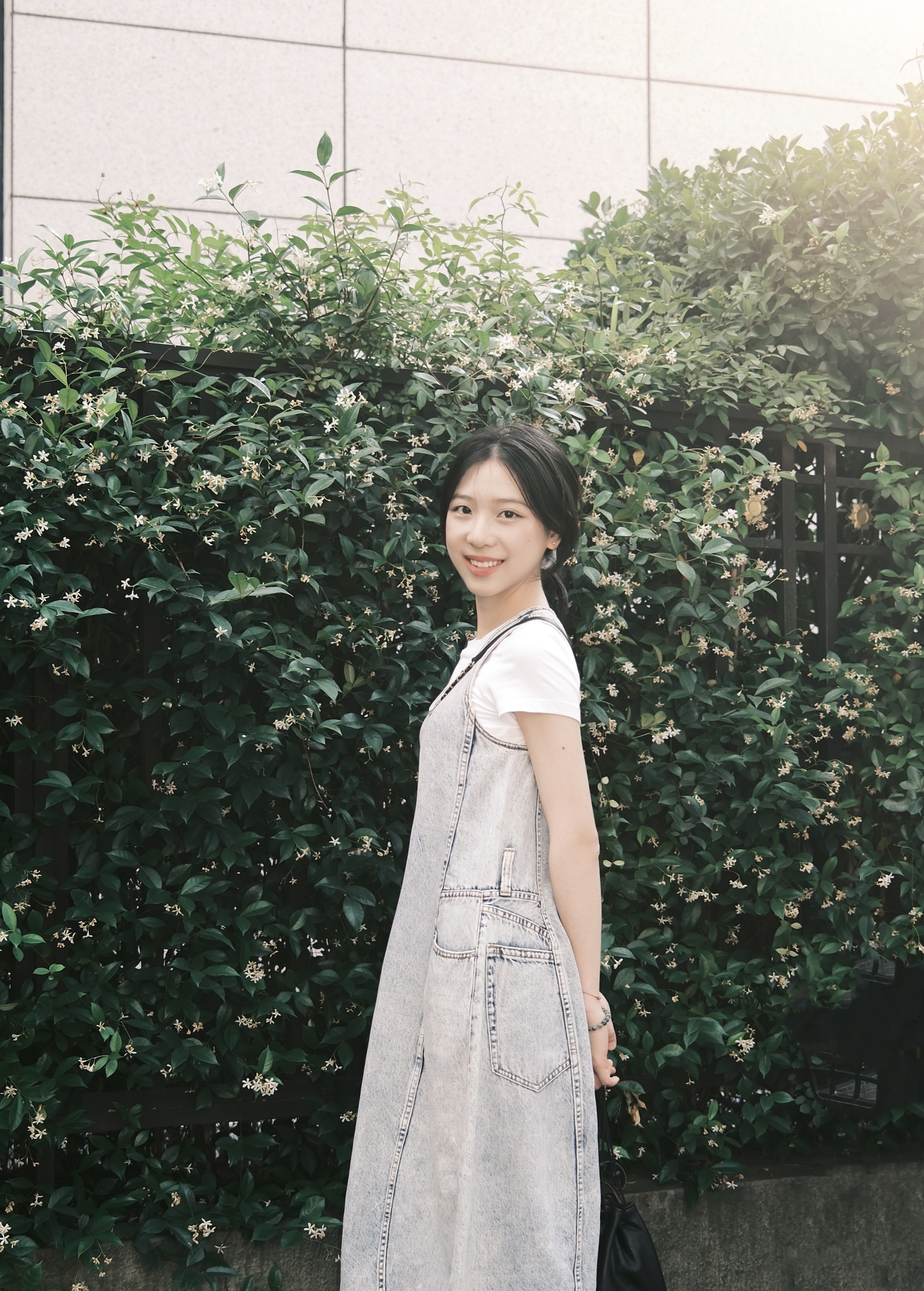
I am interested in how humans learn and remember movements. My current work asks how multiple sensorimotor mappings are stored in motor memory, focusing on its capacity and representational format. Beyond this, I have worked on movement vigor in high-altitude populations and on use-dependent learning. I also explore how deep networks can serve as a tool for understanding human perception, particularly of biological motion. I received my bachelor's degree in psychology from Zhejiang University.
PhD Student
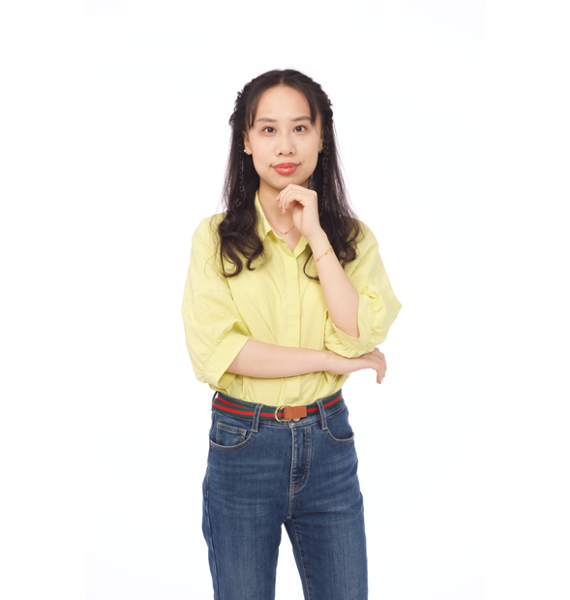
I am interested in how humans learn and control movements. My current work uses virtual reality to investigate motor behavior in three-dimensional space, with a particular focus on spatial cognition and the motor generalization in 3D environments. Previously, I studied how the attribution of errors influences motor adaptation, as well as how the visual salience of movement targets shapes the adaptation process. More broadly, I aim to understand how the brain represents space and flexibly updates motor behavior in response to changing environments.
PhD Student
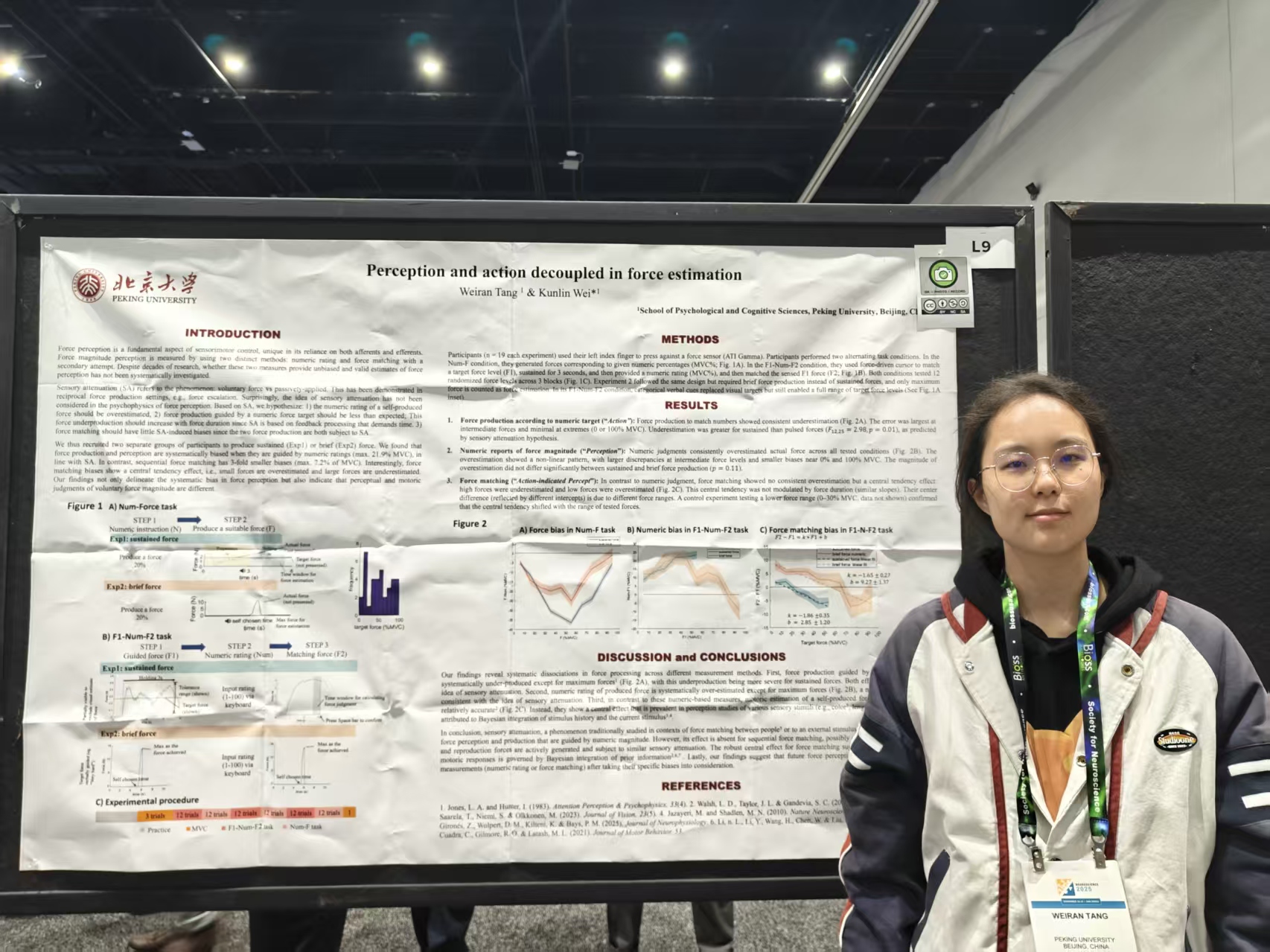
My research focuses on force perception, particularly how people perceive and reproduce self-generated forces. I use force estimation and force-matching tasks to investigate systematic biases in force perception, including central tendency and serial dependence, and to examine how these biases are shaped by sensory feedback, action duration, and recent experience.